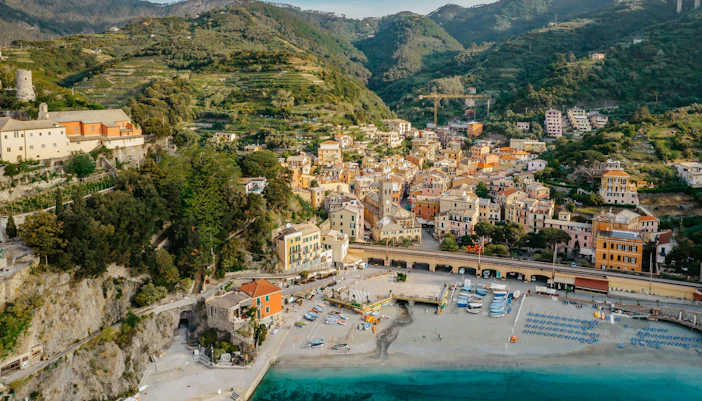
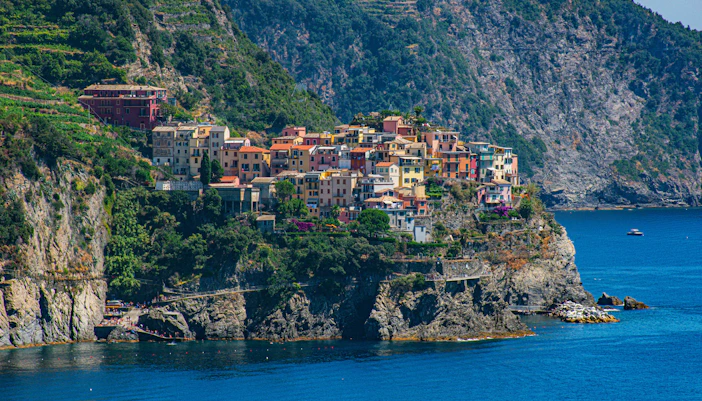
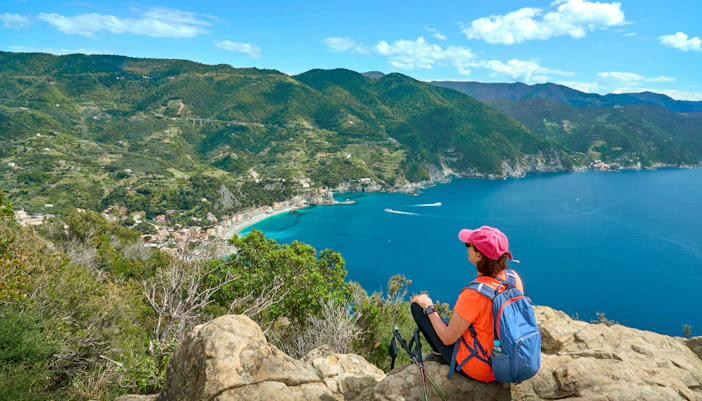
Vernazza suits travellers who enjoy places with a strong sense of arrival and plenty of atmosphere packed into a small area. It works especially well for harbour views, historic details, waterfront cafés, and short scenic walks that reveal a different side of the village without requiring a full-day visit.
Vernazza: Where stone lanes tumble into the sea
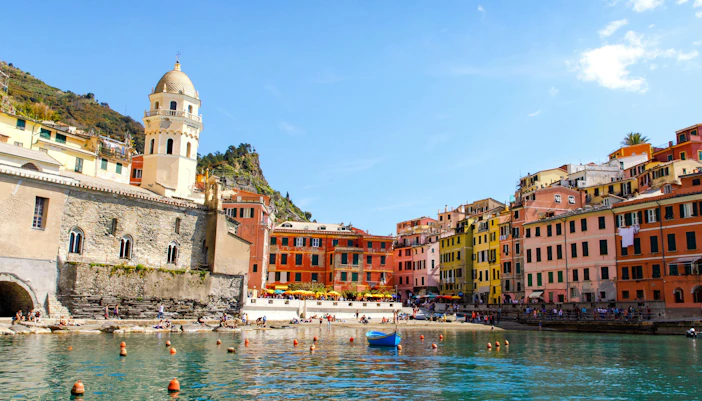
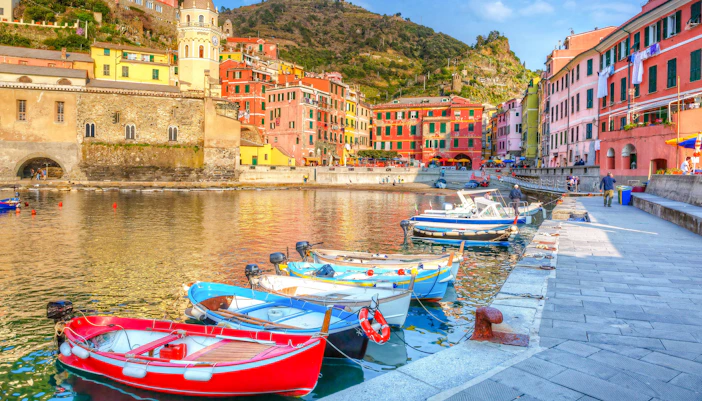
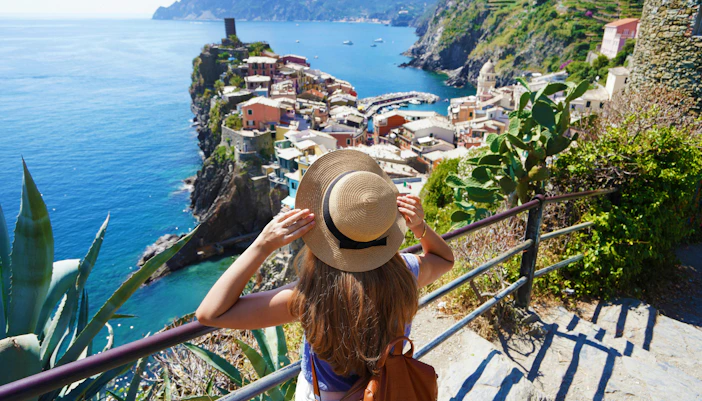
Vernazza does not reveal itself all at once. You arrive above the village, follow a lively lane downhill, and then suddenly find the sea waiting at the end of it. Around the waterfront, fishing boats drift beside weathered stone, cafés gather around the square, and the church seems to rise directly from the water. Above it all, houses cling to the hillside in warm shades of ochre, rose, and faded yellow.
The village is small, but it invites you to look twice. One moment belongs to the harbour; the next is hidden along a staircase, beneath an archway, or from a terrace high above the rooftops. Use this guide to discover Vernazza at the right pace, from its most recognisable landmarks to the quieter corners that are easy to walk past.
Vernazza at a glance
Vernazza is compact, but the experience changes quickly between the station, waterfront, upper lanes, and hillside paths. These quick pointers help visitors understand the village before deciding how to use their time.
Best for
Time to allow
Around 1.5–2 hours is enough for a relaxed walk through the village, time by the water, and one memorable uphill stop. Allow longer when you plan to visit Doria Castle, sit down for lunch, browse the smaller lanes, or continue onto part of a coastal trail.
Village pace
Distances are short, but Vernazza rarely feels like a place to hurry through. Narrow streets, busy café terraces, small shopfronts, and sudden openings towards the sea naturally interrupt the walk. Leaving a little flexibility makes the village feel far more enjoyable than following a minute-by-minute schedule.
Terrain
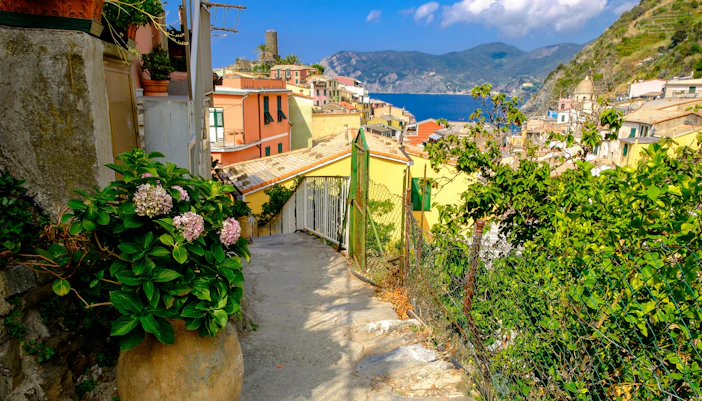
The main route between the railway station and the waterfront is the easiest part of the village to navigate. Beyond it, the ground becomes less predictable, with stone staircases, sloping lanes, uneven surfaces, and steeper approaches to the castle, sanctuaries, and coastal paths.
Best approach
Treat the harbour as the centre of your visit, then add one experience above the village. Choose Doria Castle for history and open sea views, or follow a short stretch of trail for a broader panorama. Focusing on one climb leaves more time to enjoy Vernazza instead of rushing between viewpoints.
A simple route through Vernazza
Vernazza is easiest to enjoy as one continuous loop. Follow this order to avoid unnecessary backtracking and finish close to the station.
Step 1: Walk downhill from the station
Follow the main route towards the centre rather than turning immediately into the uphill lanes.
Step 2: Explore the waterfront
Use the harbour square as your main pause for photographs, refreshments, or a short rest beside the water.
Step 3: Choose one climb
Continue towards Doria Castle or take a short section of a coastal path for elevated views. Trying to fit in both can make a shorter stop feel rushed.
Step 4: Return through the upper lanes
Take a different route back towards the station to see a quieter side of the village without adding a major detour.
What to see in Vernazza
Vernazza’s landmarks are woven into the village rather than separated from it. A church rises beside the harbour, a castle watches from above, and the main square opens directly onto the sea. Each stop reveals a different layer of Vernazza’s story.
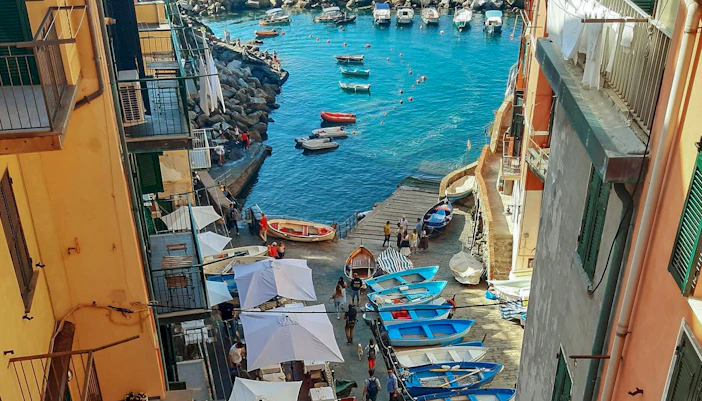
Vernazza Harbour
The harbour is the village’s living room. Fishing boats drift close to the stone edge, swimmers gather near the rocks, and the houses seem to lean towards the water. Rather than rushing through for a photograph, stay long enough to notice how the scene changes with every arriving boat and passing train of visitors.
- Walk around the edge for different views of the bay.
- Look back towards the church tower and hillside homes.
- Pause near the rocks where the village meets the open sea.
- Visit again later for softer light and a calmer atmosphere.
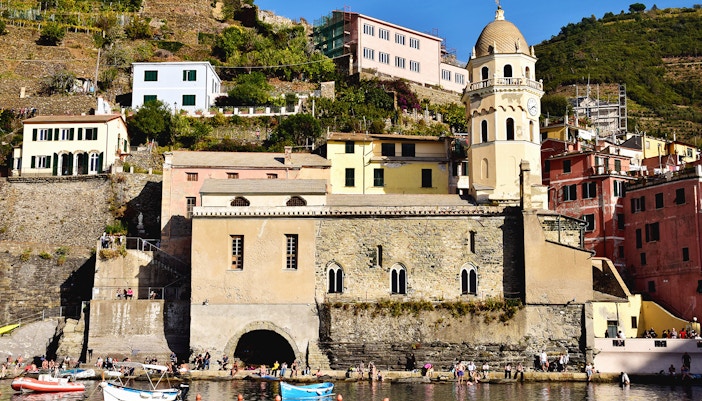
Church of Santa Margherita d’Antiochia
Set directly beside the water, the church feels inseparable from the harbour around it. Its stone walls and bell tower bring a quiet, grounded presence to the lively waterfront, while the interior offers a brief pause from the movement outside.
- View it from across the harbour for the full setting.
- Notice how closely the building follows the shoreline.
- Step inside for a quieter moment away from the square.
- Look for the contrast between the stone church and bright façades.
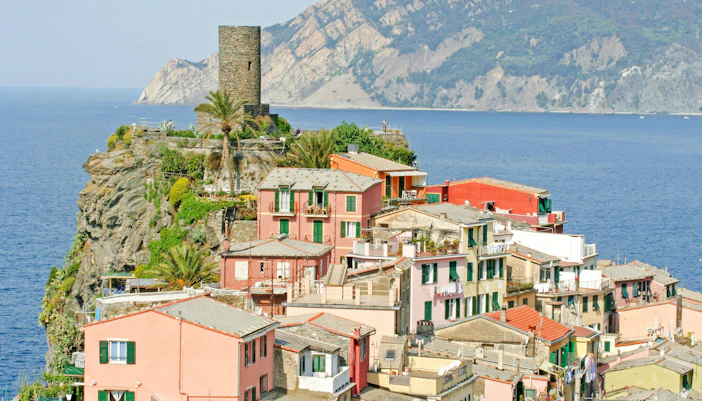
Doria Castle and Belforte Tower
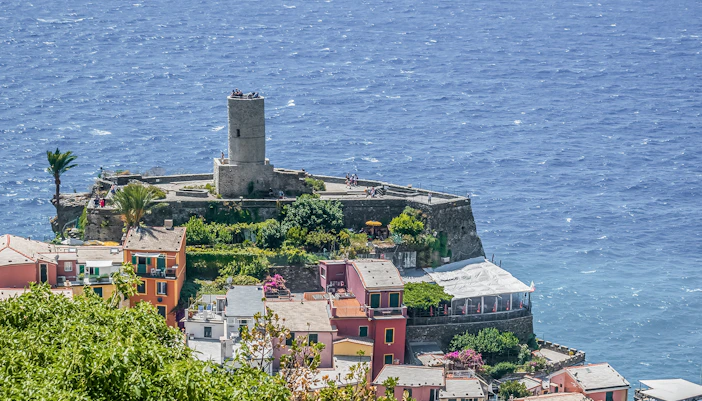
Above the rooftops, Doria Castle recalls the time when Vernazza needed to watch the sea as carefully as it depended on it. The remains are modest, but the setting is unforgettable: open water in front, steep village roofs below, and cliffs stretching along the coast.
- Climb for the landscape rather than an elaborate castle interior.
- Circle the tower for changing views of the coastline.
- Look down towards the harbour and church below.
- Take a moment to enjoy the breeze away from the waterfront crowds.
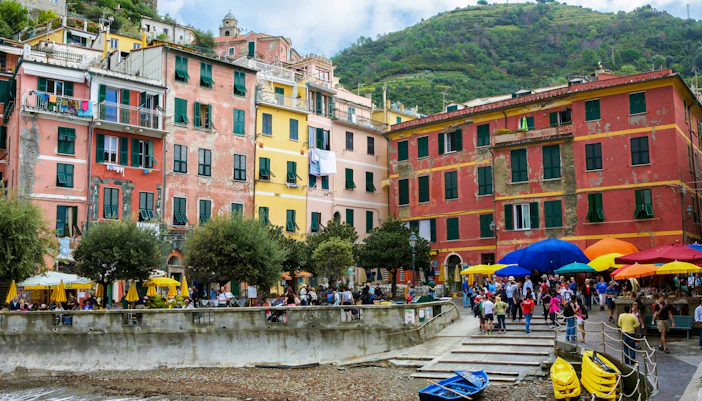
Piazza Marconi
Piazza Marconi is where Vernazza comes together. It is part village square, part waterfront terrace, and part everyday meeting place. Cafés line the edges, boats sit only a few steps away, and the surrounding buildings create a natural amphitheatre around the harbour.
- Stop here to watch village life unfold.
- Choose a waterfront seat for coffee, gelato, or a light meal.
- Look upward at the houses stacked behind the square.
- Use the piazza as a pause between the harbour and uphill sights.
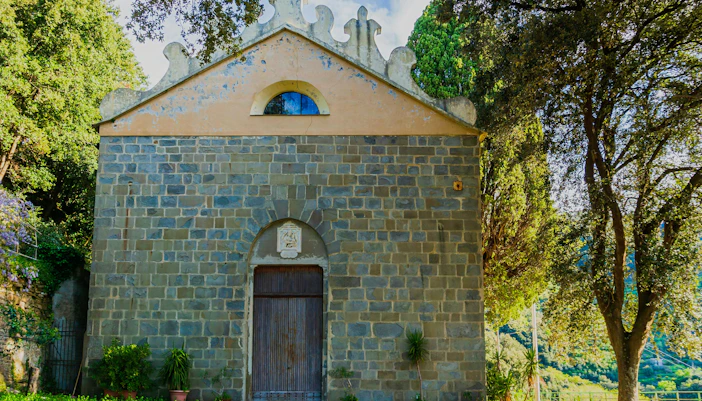
Sanctuary of Nostra Signora di Reggio
High above Vernazza, the sanctuary offers a quieter counterpoint to the busy harbour below. Reaching it means leaving the waterfront behind and following an uphill route through greenery and terraced slopes. The reward is not only the sanctuary itself, but the gradual feeling of distance from the village.
- Choose this for a slower, more reflective walk.
- Expect a sustained uphill route rather than a quick detour.
- Enjoy the shade and changing views along the way.
- Add it only when Vernazza is a longer stop in your itinerary.
Making Vernazza your scenic stop?
Give Vernazza around 1.5–2 hours when you want time for the harbour, a relaxed food stop, and one climb above the village. Visit earlier for quieter lanes, or arrive later in the day when softer light brings out the colours of the waterfront and hillside houses.
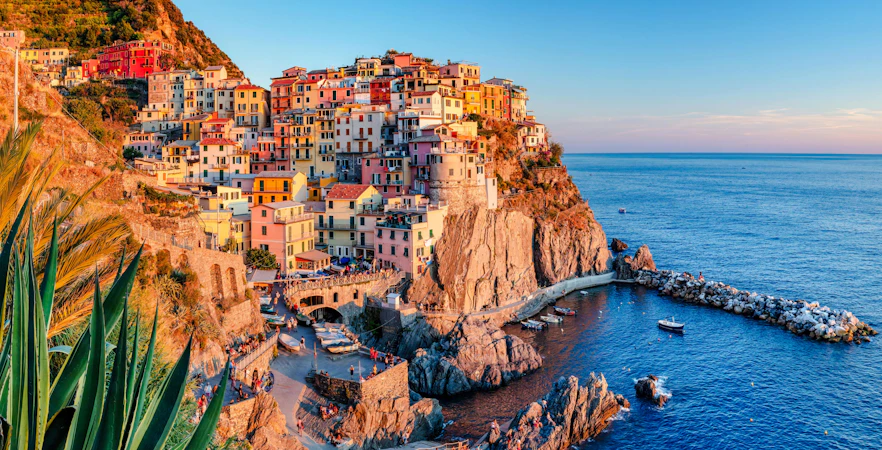
What Vernazza tastes like
Vernazza is one of those places where eating never feels separate from sightseeing. The bakeries and small counters along the route from the station tempt you to slow down before you have even reached the sea, while the waterfront invites a longer meal with boats and church bells in view.
For a quick stop, choose warm focaccia, a paper cone of fried seafood, or a slice of savoury vegetable pie. When lunch is part of the plan, look for trofie with pesto, local anchovies, fresh seafood, and simple Ligurian dishes built around olive oil, herbs, and seasonal produce.
Piazza Marconi offers the most memorable setting, but the smaller lanes behind the harbour often feel calmer. Eating slightly before or after the main lunch rush can mean less waiting and more time to enjoy the village.
Choose your food stop by pace
- Passing through quickly → Pick up focaccia or fried seafood and enjoy it near the harbour.
- Staying for around two hours → Add a casual lunch, then leave time for one elevated sight.
- Making Vernazza your main stop → Settle in for a waterfront meal, explore after the crowds shift, and finish with gelato or a glass of local wine.
Planning note: Keep enough time to walk back uphill to the station and find the correct platform before your train.
When Vernazza feels at its best
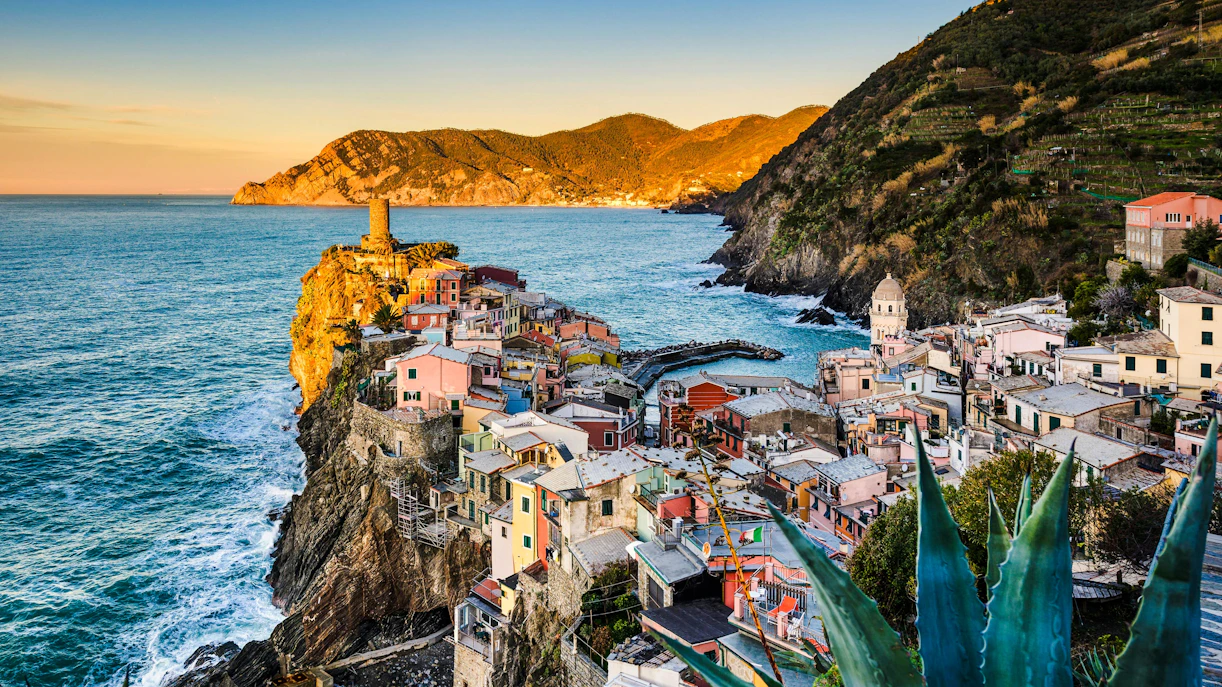
Vernazza feels gentler before the main flow of day-trippers arrives. The lanes are easier to enjoy, the harbour has more breathing room, and the cooler air makes uphill walks more comfortable. This is the best time for visitors who want to photograph the village, visit Doria Castle, or pause around Piazza Marconi before cafés and pathways become busier.
Best for: Quiet walks, photography, and uphill sights
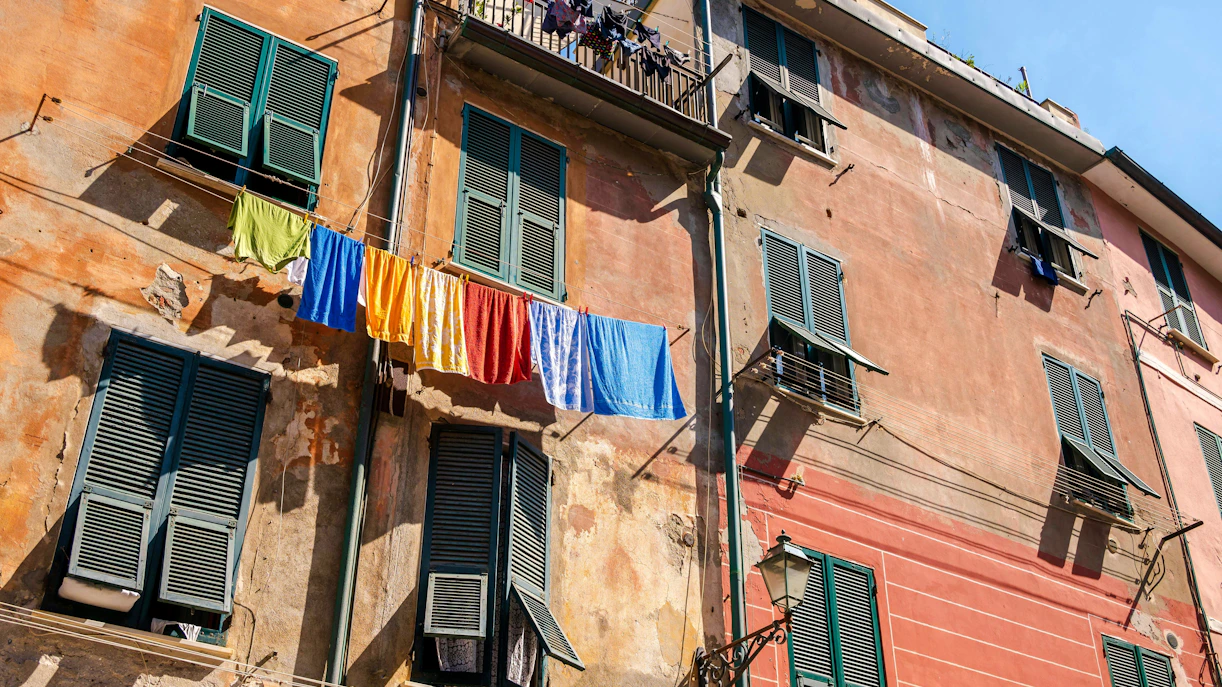
By midday, Vernazza is at its liveliest. The harbour fills with movement, restaurant terraces become busier, and the village takes on the energy of a classic Cinque Terre stop. Choose this time when lunch and waterfront atmosphere matter more than quiet streets. Build in extra time for queues, crowded lanes, and a slower walk back to the station.
Best for: Lunch, harbour atmosphere, and people-watching
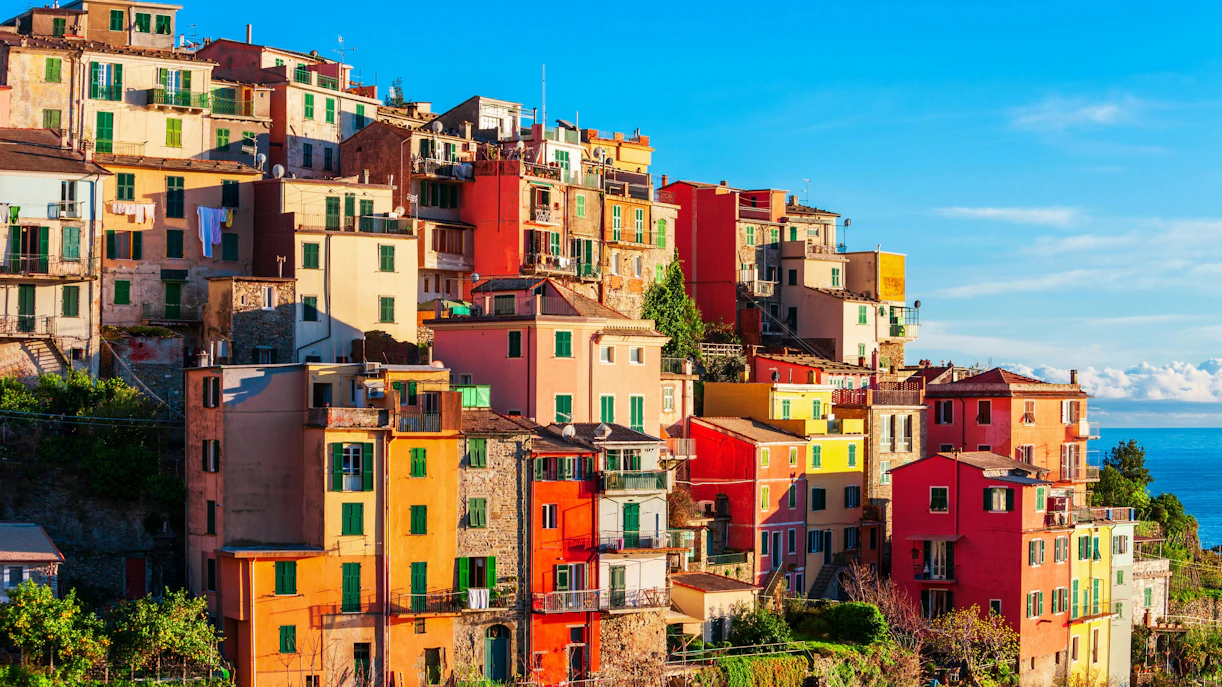
Later in the day, the strongest heat begins to fade and the village colours appear warmer against the sea. The harbour becomes especially photogenic, while the paths above Vernazza offer softer views across the coast. This works well for a slower final stop, but check your onward train before settling into a long meal or climbing above the village.
Best for: Softer light, relaxed walks, and a scenic finish
How easy is Vernazza to explore?
Vernazza is small, but that does not always mean effortless. The route from the station to the harbour is direct and easy to follow, with Via Roma leading naturally downhill through the centre of the village. This is the simplest part of Vernazza to explore and gives you access to the waterfront, Piazza Marconi, and the church without taking on a major climb.
The village becomes more demanding once you leave the main route. Doria Castle, upper lanes, trail entrances, and hillside viewpoints involve uneven stone, narrow staircases, and steeper gradients. These areas are worth adding only when you have enough time and feel comfortable with the terrain.
Visitors who prefer an easier stop can stay close to the station-to-harbour route and still experience Vernazza’s main atmosphere. The important thing is to remember that the walk back to the station is uphill, so leave a little extra time before your train.
Plan your route around your comfort level
- For an easier visit: Focus on Via Roma, Piazza Marconi, the church, and the harbour.
- For a more active visit: Add Doria Castle or one short uphill viewpoint.
- For reduced mobility: Check current station access and tour arrangements before travelling.
- For safer walking: Wear shoes with grip, as polished stone and steps can be slippery.
Is Vernazza the right stop for your day trip?
| Your priority | How Vernazza fits | Plan around |
|---|---|---|
Scenic photography | Excellent for harbour scenes, colourful façades, church views, and elevated coastal compositions. | Allow time for one uphill viewpoint |
A relaxed meal | Strong choice for waterfront cafés, focaccia, seafood, and a slower pause by the harbour. | Lunch periods can be busy |
Easy sightseeing | The station-to-harbour route covers much of the village’s character without a long detour. | The return to the station is uphill |
Active exploration | Doria Castle, stepped lanes, and coastal paths add variety beyond the waterfront. | Wear supportive footwear |
Beach time | Better for a quick swim or rocky waterfront pause than a full beach break. | Choose Monterosso for a longer beach stop |
A short itinerary | Works well when you focus on the harbour, church, and main village route. | Avoid adding multiple uphill sights |
Getting to Vernazza from Florence
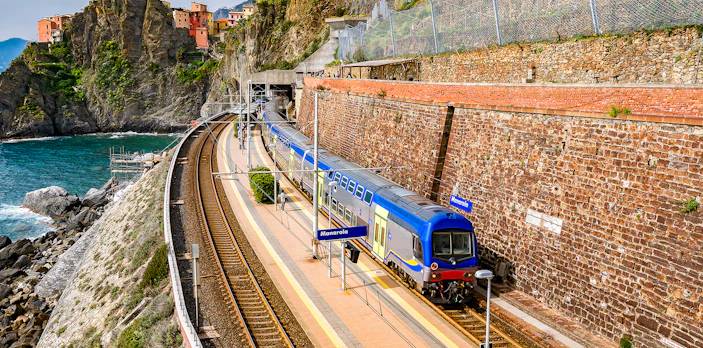
Vernazza does not have direct road access at village level, so most Florence day trips combine a coach transfer with local trains through Cinque Terre. Depending on the tour, you may travel first to La Spezia or another coastal town before continuing by regional train.
Once you arrive, the station places you directly above the village centre. From there, Via Roma leads downhill towards Piazza Marconi and the harbour, so there is no need for an additional local transfer.
Independent travellers should allow time for train changes and platform checks. Guided tours simplify the journey by coordinating the main transfer and the order of village visits, although exact routes may vary with seasonal schedules and operating conditions.
Travel flow
Florence → coastal transfer point → regional train → Vernazza station → walk downhill to the harbour
Frequently asked questions about visiting Vernazza
Allow around 1.5–2 hours for the harbour, church, village lanes, and one elevated stop. Add more time for a sit-down lunch, Doria Castle, or a longer walk towards the sanctuary or coastal trails.
Yes, Vernazza packs harbour scenery, historic landmarks, food stops, and elevated views into a compact area. It is especially rewarding when you want a visually striking village without dedicating half the day to a single stop.
Regional trains connect Vernazza with the other Cinque Terre villages and nearby transport hubs. The station sits above the village centre, with the main route leading downhill towards Via Roma and the harbour.
Vernazza has a small waterfront area where visitors may swim when conditions are suitable, but it is not designed for a long beach day. Monterosso is the better choice when swimming, sunbathing, and wider beach access are priorities.
Yes, stay between the station, Via Roma, Piazza Marconi, the church, and the harbour for a satisfying village-level visit. Doria Castle, the sanctuary, and coastal viewpoints are optional and require additional uphill walking.
Vernazza can be challenging because of slopes, uneven paving, narrow lanes, and steps. The main station-to-harbour route is the most manageable section, but visitors should confirm current station and tour accessibility before travelling.
Try Ligurian focaccia, trofie with pesto, local anchovies, fried seafood, and regional wine. Choose takeaway food for a short stop or allow extra time for a waterfront lunch around Piazza Marconi.
Morning usually offers cooler walking conditions and quieter lanes. Midday is livelier and better for lunch, while late afternoon brings softer coastal light. Your Florence day-trip itinerary may determine which window is realistic.
Vernazza connects with coastal routes towards Monterosso and Corniglia. These paths include steep climbs, uneven terrain, and steps, and access can change due to weather or maintenance. Check current trail conditions before starting.